
Waste Management
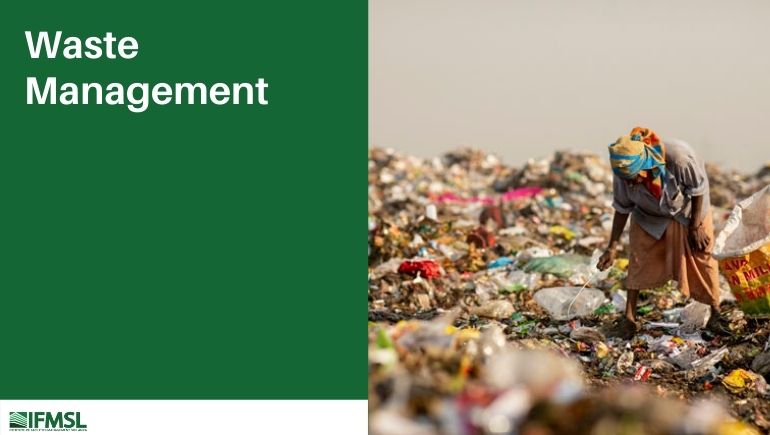
Any facility, whether public or private, residential or commercial, will always accommodate people who consume and dispose of waste material on a regular basis. As long as garbage production and other waste producing activities continue, waste cannot be completely eliminated from that built environment. As a result, it must be effectively handled in order to minimize the risk to human health and comfort while also reducing the detrimental impact on the environment. Because misbehavior will result in a hygiene issue, as well as being contagious to the environment and living beings around.
Facility Management professionals are important drivers within organizations aiming to decrease costs, boost efficiency, and improve performance in the face of rising complexity of organizational models and the use of new technologies. Hence Facility Managers are increasingly being recognized as key contributors to the bottom line, with a greater emphasis on quality and robust processes, whether its risk management or cost reduction related with waste management strategies. However now a day’s waste management is an area that can create considerable challengers for facility managers. Because waste management must be financially sustainable, technically feasible, legally acceptable and environmental friendly. Hence facility managers can be implemented following waste management tips to identify areas for improvement, methods to achieve change and to increase buy-in from management, staff, suppliers and other stakeholders.
• Conducting waste audit
• Evaluate existing waste management approach
• Awareness other employees regarding waste management objectives
• Identify collection requirements
• Check and follow waste management compliance
• Follow waste hierarchy
• Identify the true cost regarding waste
• Reuse and Recycle
Reference:
https://www.novus-environmental.co.uk/blog/waste-management-tips-for-facilities-managers/