
How to Monitoring Air Pollution?
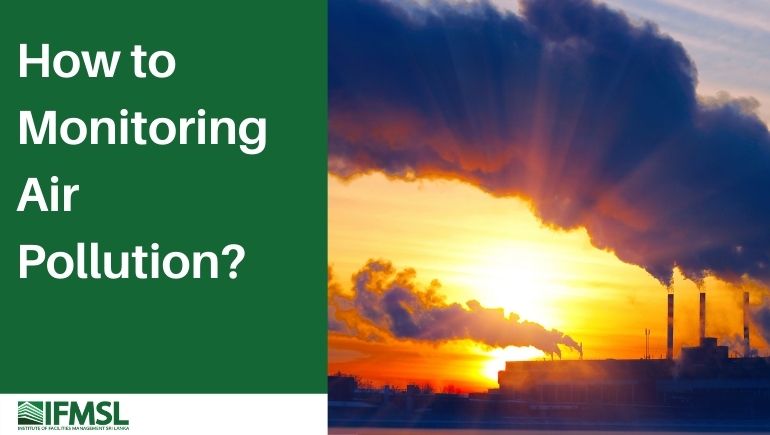
Our health is being harmed by air pollution, and there is often a lack of local data to discover solutions. In London, a world class pilot project deployed and evaluated new monitoring technologies that can assist fill in the gaps in data. Detailed blueprint has been released to assist in applying what they have learnt in order to better understand and minimize air pollution. Poor air quality caused to heart and lung diseases and wide range of additional health conditions such as vision problems, infertility and long-term cognitive effects were found by recent research.
Here are 5 ways emerging technology can help cities to improve their air quality.
1. Target the timing of action- Emerging monitoring technology can help leaders to better understand when individuals are most exposed to air, pollution allowing them to take targeted measures to reduce exposure. Lower cost monitors are less expensive and more portable than typical air quality monitors, and can be fixed at multiple locations throughout a city to provide continuous data on how pollution rises.
2. Find pollution hotspots- Cities can use lower cost monitors and mobile monitoring to identify pollution hotspot if they wish to reduce air pollution but aren’t sure where to start.
3. Measure the impact of an intervention- Cities can estimate air quality gains caused by interventions, or steps to reduce pollution, using low coat sensors and mobile monitoring.
4. Raise awareness- Local air quality data provided by emerging monitoring technology can raise awareness and help people better understand pollution where they live. By providing the public with both current and historic pollution levels as well as street by street pollution data from mobile monitoring with user friendly platform will be raised awareness.
5. Provide a powerful tool for producing air quality data- Lower cost monitors delivered reliable data, allowing to compare insights to reference grade monitors across the network and providing a more detailed understanding of pollution. Lower cost sensors and mobile monitoring are viable choices for obtaining relevant, reliable data for any national governments that desire to collect or share open air quality data.
Emerging technology play a major role in tackling air pollution challenges and protecting people’s health and sensing technology that is less expensive can help cities to target their resources to paint a clear picture of air quality.
Reference: